Early Childhood Education (ECE) refers to structured learning and developmental experiences for children from birth to eight years of age. These years are when the brain develops at the fastest rate, neural connections form rapidly, and emotional patterns are established for life. This is why high-quality early childhood education curriculum is not optional—it is foundational.

Early childhood is the most powerful stage of human development. What children experience between birth and age eight shapes their confidence, emotional balance, intelligence, creativity, and attitude toward learning for life. A high-quality early childhood education curriculum does more than prepare children for school—it builds happy, capable, and emotionally strong learners.
What Is Early Childhood Education?

Why Early Childhood Education Is Important for Happy Learning?
Happy learning begins when children feel safe, respected, emotionally supported, and free to explore the world around them. During the early years, children do not just learn academic content, they learn how to feel about learning itself. A well-designed early childhood education curriculum builds a strong emotional and developmental base long before formal academics begin. This foundation shapes how children think, communicate, build relationships, and approach challenges throughout their lives.
Builds Emotional Security and Confidence
Emotional safety is the starting point of all learning. When children feel loved, heard, and valued, they become confident enough to explore, ask questions, and take healthy risks in learning. A strong social and emotional learning curriculum teaches children how to recognize emotions, manage frustration, express feelings appropriately, and develop empathy toward others.
Supports Rapid Brain Development
From birth to age five, the brain develops rapidly, forming millions of connections every second. Early experiences—stories, songs, play, and exploration—shape a child’s brain architecture. High-quality early childhood programs offer rich sensory, social, and cognitive activities. Play, music, movement, and storytelling strengthen thinking skills, memory, attention, and emotional regulation.
Develops Real-Life Social Skills
Academic success alone doesn’t ensure life success; social skills begin forming in early childhood. In early learning settings, children practice sharing, listening, and resolving conflicts while working toward common goals. Daily interactions and a well-designed social studies curriculum teach community, fairness, and responsibility. Instead of memorizing concepts, children experience them through everyday classroom activities.

Strengthens Language & Communication
Language development is a key outcome of early childhood education, built through conversation, storytelling, music, and play. These experiences strengthen vocabulary, listening skills, and confidence in expression. High-quality creative curriculum plans place communication at the center, helping children build expressive and receptive language. They learn not only to speak but also to listen with understanding.
Encourages Physical Growth Alongside Learning
Movement is not a break from learning — it is a form of learning. Young children learn through their bodies as much as through their minds. A balanced preschool curriculum supports both fine and gross motor development through daily physical activity.
Nurtures Creativity and Natural Curiosity
Children are born curious. They are natural scientists, artists, and explorers. A strong early childhood education curriculum protects this natural curiosity instead of suppressing it. Through art, music, imaginative play, construction, and exploration, children learn to think creatively and approach problems with originality.
Prepares Children for Formal School Without Pressure
One of the greatest strengths of a quality early childhood curriculum is that it prepares children for formal schooling in a gentle, stress-free way. Instead of forcing children into early academic pressure, it builds readiness gradually through routines, structure, and playful learning.
Creates a Lifelong Love for Learning
Perhaps the most powerful outcome of early childhood education is the development of a lifelong love for learning. When learning is associated with joy, safety, curiosity, and success, children grow up believing that education is something to enjoy rather than something to endure.
Curriculum and Happy Learning Go Hand in Hand
A strong early childhood curriculum shapes how children feel about learning by offering playful, meaningful, and supportive experiences. Because every child learns differently, various early childhood education approaches have been developed to meet diverse learning needs. These models guide teaching methods, classroom environments, and learning outcomes, and many U.S. programs blend them to support both academic and emotional development.
The Play-Based Learning Approach is one of the most widely accepted and research-supported models in modern early education. It forms the foundation of the best play-based preschool curriculum and is deeply aligned with the philosophy of Bank Street Education. In this approach, children learn through play, exploration, experimentation, and hands-on discovery. Instead of formal worksheets or rigid lessons, learning happens naturally while children. Through purposeful play, children develop thinking abilities, social confidence, emotional awareness, language skills, and physical coordination at the same time. Play-based learning also supports a strong social and emotional learning curriculum, helping children regulate emotions, build relationships, and joyfully develop self-confidence. This approach is widely used in high-quality early childhood schools in the USA because it creates happy, confident, and motivated learners.
The Montessori Method focuses on independence, self-discipline, and self-directed learning. Children choose their own activities from carefully prepared learning environments, while teachers act as quiet guides rather than direct instructors. The Montessori approach supports responsibility, concentration, and independence. It is often chosen by schools that value self-management and quiet focus within their preschool curriculum. While academically strong, many modern programs now integrate Montessori principles with social-emotional learning curriculum to support whole-child development.
The Reggio Emilia approach views children as capable, curious, and full of potential. Learning is driven by the child’s interests, with teachers acting as co-researchers and guides. Instead of a fixed syllabus, children explore real-world topics through long-term projects. Creative expression is central to this approach, making it highly compatible with creative curriculum lesson plans. Reggio-inspired programs support problem-solving, emotional expression, communication, and teamwork — all core goals of the best early childhood curriculum.
The HighScope approach is built on the belief that children learn best through active participation in their own learning. Its most distinctive feature is the structured “plan-do-review” routine, which teaches children responsibility, decision-making, and reflection. This approach strengthens thinking skills, memory, independence, and communication. Teachers work as learning partners rather than authority figures. HighScope also strongly supports early childhood education curriculum goals related to critical thinking, emotional confidence, and social cooperation.
The Waldorf Education Model focuses on imagination, storytelling, creativity, rhythm, and emotional development. Academics are introduced gently and later than in traditional systems. This approach supports deep emotional security, creativity, and social harmony. It aligns well with Bank Street developmental interaction approach values, where emotional well-being and meaningful relationships are considered essential for learning. Waldorf-inspired programs are favored by parents seeking a gentle, creative, and relationship-driven preschool curriculum.
What Is an Early Childhood Education Curriculum?
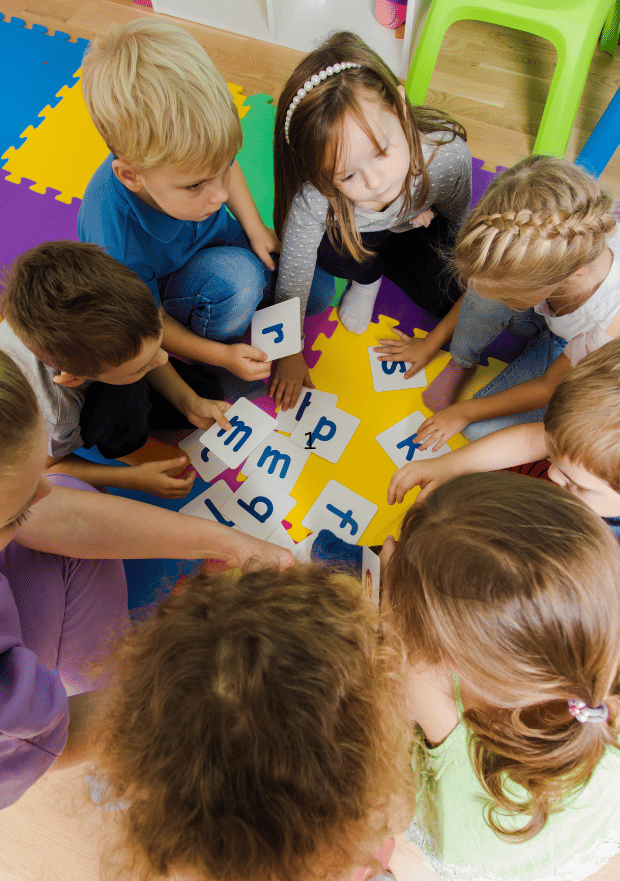
Choosing the right early childhood education approach is one of the most important decisions for a child’s learning journey because it directly influences emotional well-being, social growth, and academic readiness. Each approach offers unique strengths, and the most suitable choice depends on the child’s personality, learning style, and individual pace of development. Some children thrive in play-based and child-centered environments, while others feel more comfortable with gentle structure and routine. The school’s goals, teaching philosophy, and classroom environment also play a major role in determining the effectiveness of a chosen early childhood education curriculum or preschool curriculum. Equally important is the level of teacher training, as a well-prepared educator brings any approach to life with confidence and care. Parental expectations and involvement further shape the success of the learning experience. When the right educational approach is chosen with balance and understanding, it creates a strong foundation for happy learning, emotional security, and long-term success in both school and life.
Key Elements of a High-Quality Early Childhood Education Program
A high-quality early childhood program isn’t defined by fancy classrooms or technology, but by how well it understands and supports young children. Its effectiveness comes from nurturing emotional safety, curiosity, creativity, social connection, communication, confidence, and early academic skills. When these elements align, children feel secure, joyful, and motivated to learn.
Grounded in child development, emotional well-being, and meaningful interaction, this philosophy reflects the Bank Street developmental-interaction approach, which emphasizes growth through relationships, real experiences, and emotional security—foundations shared by many strong early childhood programs in the USA.


Choosing the right early childhood education program starts with understanding your child’s needs and learning style. Look for a program that offers a safe, warm, and child-centered environment where children feel comfortable exploring and grow. Check if the curriculum supports play-based learning, social-emotional development, language growth, and physical activity. Trained, caring teachers are just as important as the curriculum itself. Also, observe the classroom routine, cleanliness, and communication with parents. A good early learning program should support your child’s happiness, confidence, and overall development, not just academics.
About Bank Street Early Learning Curriculum
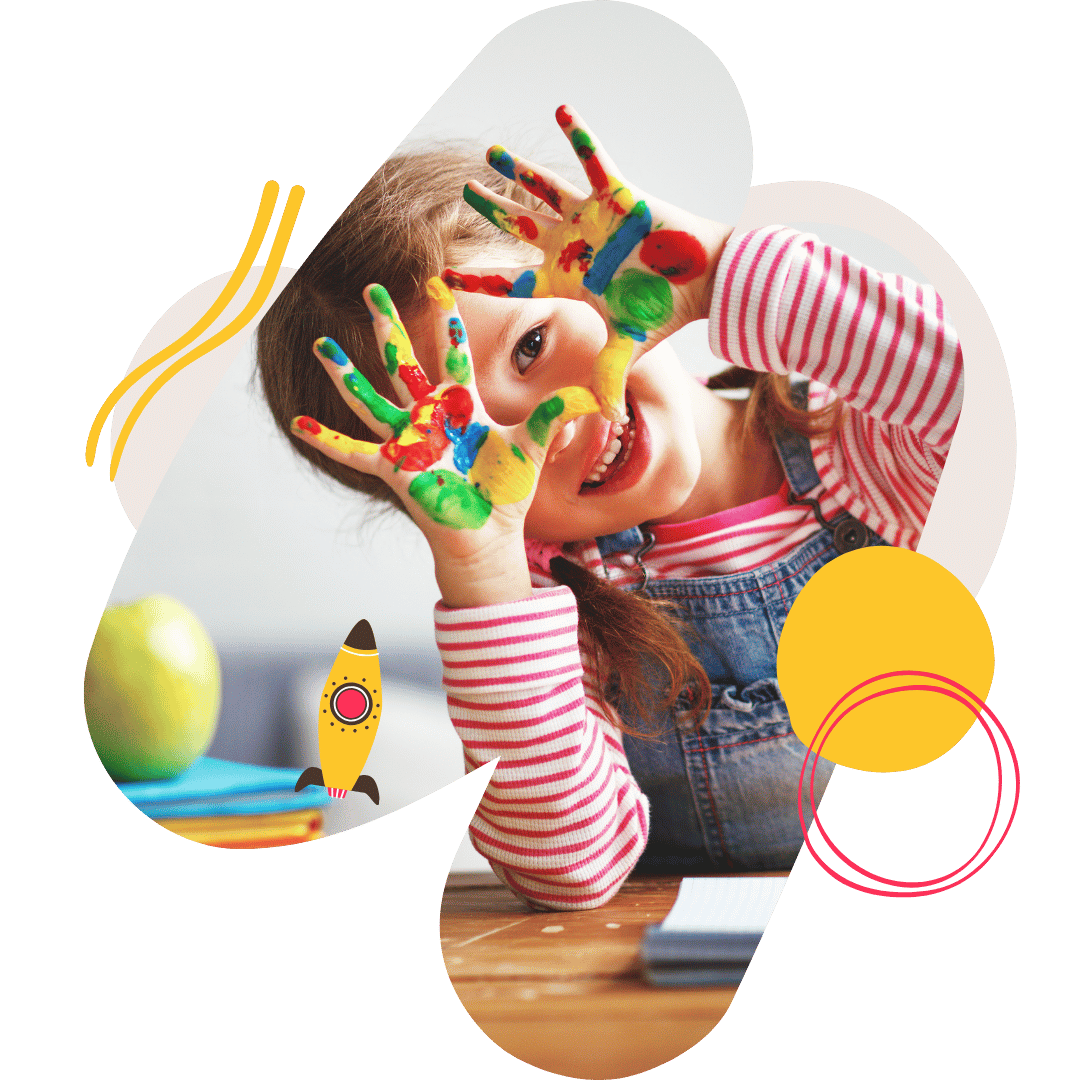
Why Choose Bank Street Early Learning Curriculum
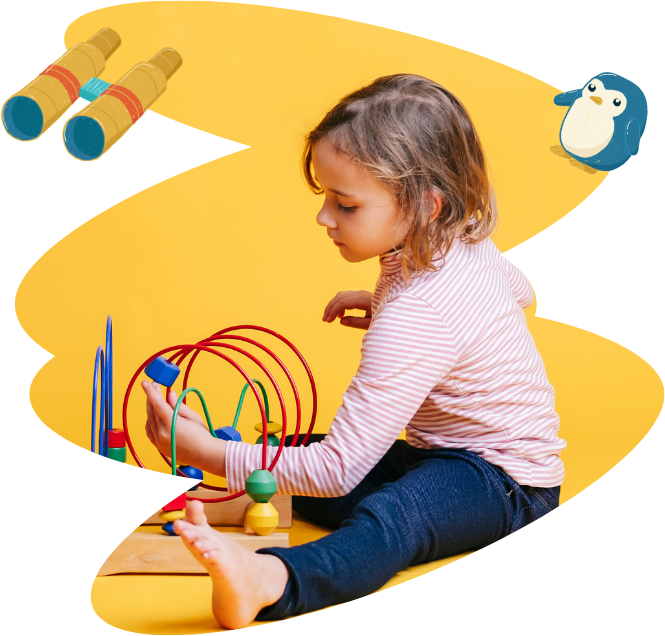
Because we care about more than just “teaching.” We care about building strong foundations for children’s lifelong learning, for teachers’ ease of work, and for parents’ peace of mind. Our services aim to create classrooms where children feel safe, joyful, and inspired; where teachers are confident and supported; and where families feel included and informed.
If you’re looking for a partner who values every child’s growth in mind, heart, and soul, Bank Street Early Learning Curriculum is here for you.
Role of Teachers in Early Childhood Education
Teachers play the most important role in a child’s early learning journey. In the early years, a teacher is not just someone who delivers lessons — they become a guide, caregiver, role model, and emotional anchor for young children. The way a teacher speaks, listens, encourages, and responds deeply shapes how a child feels about learning for the rest of their life. In a strong early childhood education curriculum, teachers are the heart that brings learning to life.
Supporting Overall Child Development
Early childhood teachers support the whole child, focusing on balanced growth across cognitive, language, social, emotional, and physical development rather than just academics. They nurture thinking and problem-solving through exploration and play, develop communication through stories and conversation, and strengthen social skills by encouraging teamwork. Emotional regulation is supported as children learn to recognize and express feelings, while physical coordination is promoted through movement activities. This holistic approach reflects Bank Street education, where teachers observe and guide each area of development in an integrated, natural way.
Building Strong Communication Skills
Teachers play a powerful role in developing early language and communication skills. They talk regularly with children throughout the day, not only during lessons. They read stories aloud with expression and meaning. They encourage questions, discussions, and thoughtful responses. They listen with patience and real interest. They also help children express their thoughts clearly, even when children struggle to find the right words.
These daily language interactions build strong communication skills that directly support reading readiness, writing development, and social confidence. In a high-quality early childhood education curriculum, communication is not limited to language class — it is woven into every activity, conversation, and routine.
Our Educators
Early childhood education is rewarding, but it also comes with real challenges. Young children are still learning how to manage their emotions, follow routines, communicate clearly, and interact with others. At the same time, teachers and schools must balance learning goals with emotional care, safety, and parental expectations. When these challenges are handled with patience and the right teaching approach, they can be turned into powerful learning opportunities.
At Bank Street Early Learning Curriculum, we provide a complete range of services designed to support preschools, daycares, and early learning centers at every level — from classroom learning to teacher development, and from child growth to parent engagement. Our services are built on strong Bank Street education values and a high-quality early childhood education curriculum, ensuring learning is meaningful, balanced, and joyful for every child.
Child-Centred Early Learning Curriculum
We deliver a carefully designed preschool curriculum that supports whole-child development, including cognitive growth, social skills, emotional strength, language development, creativity, and physical coordination. Through the best play based preschool curriculum approach, children learn naturally through exploration and real-life experiences.
Flexible Lesson Plans & Activity Frameworks
Our creative curriculum lesson plans and activity guides are simple, practical, and easy for teachers to follow. Whether for small daycare settings or large preschools, our framework adapts smoothly to different classroom sizes, age groups, and learning levels without losing effectiveness.
Teacher Training & Ongoing Support
We provide structured training and continuous professional support for educators to confidently implement the best early childhood curriculum. Teachers learn how to nurture each child’s potential, manage classrooms with care, support emotional growth, and encourage learning through discovery instead of pressure.
Social-Emotional & Communication Development Programs
We integrate a strong social and emotional learning curriculum into daily classroom activities. Children develop empathy, self-confidence, communication skills, cooperation, and positive behavior skills that form the foundation for lifelong success.
Holistic Growth & School Readiness Preparation
Our program prepares children for formal schooling by balancing early academics with life skills, creativity, physical development, and emotional well-being. This ensures a smooth and confident transition into primary education.
Parent & Family Engagement Guidance
We actively support communication between schools and families. Through regular progress sharing, guidance, and parent involvement strategies, we help maintain strong consistency between school learning and home support.
Customized Support for Diverse Classrooms
Every child learns differently. Our services are flexible and inclusive, designed to support mixed-age classrooms, diverse learning abilities, and individual development needs, ensuring that no child is left behind.
Ongoing Updates & Curriculum Evolution
As new research in early childhood development emerges, we regularly review and enhance our early childhood education curriculum. This keeps your program current, relevant, and aligned with modern educational standards in early childhood schools in the USA.
Learn. Grow. Inspire Young Minds.
Our blog is a growing space where we share simple, practical insights on early childhood education, teaching ideas, classroom activities, child development, and happy learning strategies. Whether you are a teacher, parent, or school leader, you’ll find useful guidance you can apply in real life — not just theory.

Frequently Asked Questions
Our curriculum is designed for preschools, daycares, early learning centers, and educators working with young children in their foundational years.
The program supports children from early toddler years through preschool and kindergarten readiness.
Yes, our approach strongly supports learning through play, exploration, hands-on activities, and real-life experiences.
No. It supports the whole child's emotional, social, physical, communication, and thinking skills, along with early academics.
Yes, it is teacher-friendly with clear lesson plans, activity guidance, and flexible classroom implementation.
Absolutely. It can be adapted to different class sizes, learning levels, and individual child needs.
Yes, teachers receive guidance and continuous support to ensure smooth and confident curriculum implementation.
Daily activities include emotional awareness, communication, teamwork, empathy, and positive behavior building.
Progress is tracked through observation, developmental milestones, classroom activities, and regular feedback.
Yes, it builds early literacy, basic math skills, attention, routine following, and confidence for a smooth transition to formal school.
We encourage regular parent-teacher communication, progress sharing, and simple home learning support.
Yes, it is flexible enough to work well in mixed-age learning environments.
Yes, it follows a child-centered approach, so each child can learn at their own pace without pressure.
The curriculum is reviewed regularly to align with modern early childhood education practices and learning needs.
You can contact us through our website to discuss your needs, receive guidance, and begin the onboarding process.
Let’s Build a Better Learning Experience Together
Have questions about our curriculum, services, or support? We’re here to help. Get in touch with us for guidance, program details, or to discuss how we can support your early learning center.