
Families and teachers across Seattle are looking for learning environments that honor how children actually develop. Bank Street education in Seattle, WA answers that call by blending exploration, relationships, and real-world understanding. Instead of pushing academics too early, children build knowledge through experience, conversation, and guided discovery.

Inside programs influenced by this philosophy, curiosity leads the way. A Bank Street classroom in Seattle, WA feels active and warm. You might see children constructing a city from blocks, acting out a favorite story, painting what they noticed on a neighborhood walk, or solving problems together. Learning grows naturally, helping children become confident participants in their own education. For many families, this balance of intellectual growth and emotional support defines the best preschool curriculum in Seattle, WA.

Learning Happens Through Play, Investigation, and Community

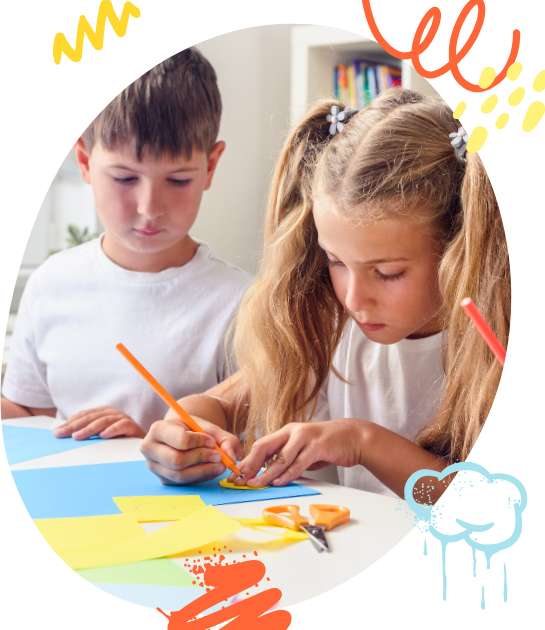
  • Play is serious learning. When children design structures, negotiate roles during pretend play, or create artwork, they build planning skills, strengthen language, and learn cooperation. Teachers guide the moment by asking thoughtful questions and adding new vocabulary that deepens understanding.
  • In a Bank Street classroom in Seattle, WA, materials are carefully organized to encourage independence. Children make choices, try new ideas, tidy their spaces, and reflect on what they experienced. These daily habits help develop responsibility while keeping happiness at the center of learning.
  • Because of this balance, many families describe it as the best play based preschool curriculum in Seattle, WA. The approach protects the magic of childhood while still supporting strong preparation for what comes next.

What Makes Bank Street Education Unique in Seattle, WA

At its heart, the approach follows the child. Teachers pay close attention to developmental stages, interests, and cultural backgrounds. Lessons evolve from what children wonder about each day. Because Seattle is filled with diverse communities, languages, and traditions, classrooms benefit from discussions that connect school to home. Through this connection, early literacy and math skills develop in meaningful ways. Rather than memorizing, children understand.

An early childhood education curriculum in Seattle, WA inspired by Bank Street gives children time to think, test ideas, and revisit learning until it truly makes sense.
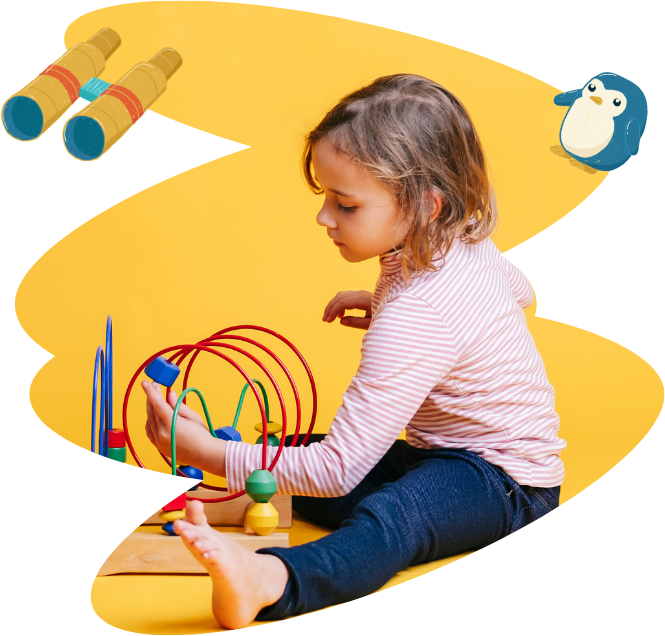

Where Everyday Moments Become Academic Learning?

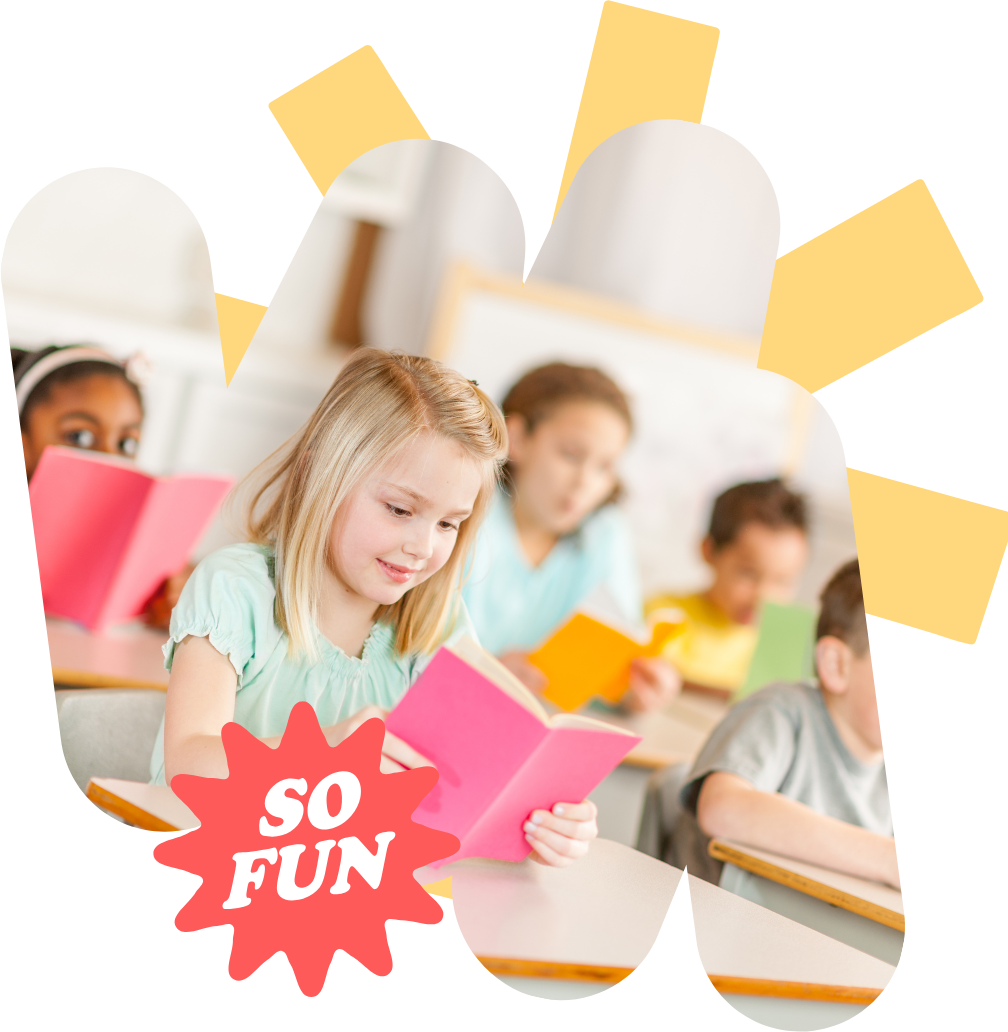
Reading, writing, and math are essential, but they grow best when connected to life. Counting may happen while setting up snacks. Writing might emerge as children label their drawings or dictate stories. Science begins with observing rain, plants, or the changing seasons around the city. Through Bank Street education in Seattle, WA, teachers create experiences where academic growth feels purposeful, not pressured. Children gain readiness without losing confidence.

Growing Kind, Capable, and Confident Learners

icons

Feelings are an important and respected part of each school day. Teachers invite children to talk about emotions openly, helping them recognize happiness, frustration, excitement, or worry as normal experiences in learning and growing.

icons

Children practice essential communication skills such as listening carefully, expressing their needs with words, and working through disagreements in positive ways. These moments become powerful opportunities to build patience and understanding.

icons

Through group meetings, partner work, and collaborative projects, students learn empathy and mutual respect. They begin to see how their actions affect others and how cooperation helps everyone succeed together.

icons

Inside a Bank Street classroom in Seattle, WA, emotional safety forms the foundation for exploration. Warm guidance and predictable routines help children feel secure enough to take healthy risks.

icons

When children know they are valued and supported, they are more likely to try new challenges, share ideas, and keep going even when something feels difficult. This confidence strengthens both social growth and academic progress.

Guided by Experts in How Children Learn

  • Educators following this philosophy observe carefully before stepping in to teach.
  • They pay attention to social interactions, developing abilities, and each child’s unique strengths.
  • Learning opportunities are then designed to match individual needs and interests.
  • A responsive early childhood education curriculum in Seattle, WA allows teachers to remain flexible throughout the day.
  • When children’s curiosity changes, lesson plans adjust to support deeper exploration.
  • This approach helps children feel encouraged and understood rather than hurried.
  • Because of this thoughtful guidance, many families place strong trust in programs influenced by Bank Street principles.

Inclusion Reflects the Seattle Community

Books, music, and classroom materials represent many identities and family structures. Teachers invite children to share traditions and experiences, helping everyone feel recognized.

This commitment to belonging is another reason parents view it as the best preschool curriculum in Seattle, WA for today’s families.

Preparing Children for the Years Ahead

Students who learn in this environment tend to become independent thinkers. They ask questions, collaborate easily, and approach new challenges with resilience.

By combining exploration with guidance, Bank Street education in Seattle, WA supports habits that last well beyond preschool.

Why Families Choose This Approach?

These outcomes make it a leading choice for those seeking the best play based preschool curriculum in Seattle, WA.

 Parents consistently say they appreciate how the model:

  • builds confidence alongside academics
  • strengthens communication through conversation
  • encourages cooperation and kindness
  • supports curiosity and creativity
  • prepares children for smooth kindergarten transitions

Contact us

Bank Street College of Education is a highly respected institution known for its progressive, child-centered approach to learning. For more than a century it has developed programs that help children grow academically, socially, emotionally, and creatively guiding them to become confident, curious, and engaged learners. Contact us directly for details on their children’s programs, admissions, curriculum, tours, or summer camps.

Frequently Asked Questions

What ages benefit from this program?

 Most schools serve toddlers through pre-kindergarten, adjusting experiences for each developmental stage.

Does play really prepare children academically?

 Yes. Guided play builds language, early math understanding, attention skills, and problem solving.

How is progress measured?

Teachers rely on observation, documentation, and developmental milestones rather than high pressure testing.

Will my child be ready for kindergarten?

Children typically enter elementary school confident, communicative, and eager to learn.

What makes a Bank Street–inspired classroom different from traditional preschool?

Learning connects to real experiences. Instead of worksheets and memorization, children investigate topics, ask questions, build, create, and reflect. Teachers guide thinking while supporting emotional growth and collaboration.

How do teachers support social and emotional development?

Educators model respectful communication, help children label feelings, and guide problem-solving during conflicts. Over time, empathy, independence, and self-regulation become daily habits.