
Families across Boston want more than day care. They want a place where curiosity is protected, confidence grows, and learning feels joyful instead of pressured. A Bank Street inspired approach answers that need by blending strong academics with deep attention to social and emotional development.
At Bankstreet Early Learning Curriculums, children learn by doing. They explore their environment, ask meaningful questions, work with classmates, and build real understanding through experience. Rather than rushing worksheets or memorization, teachers create rich investigations that connect literacy, math, science, art, and community.
This is why many parents searching for the best preschool curriculum in Boston, MA discover that a developmental, play-based framework produces not only happy children, but capable, independent learners ready for elementary school.
What Is the Bank Street Approach?

What a Bank Street–Inspired Classroom Looks Like in Boston, MA?
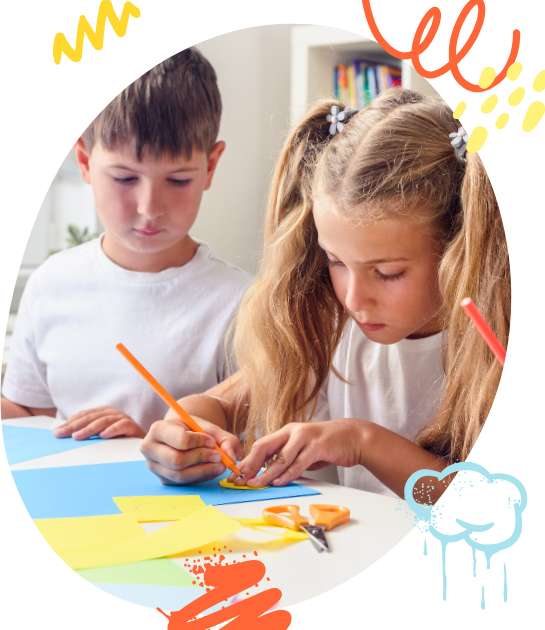
Research continues to confirm what experienced early childhood educators have long understood: young children learn best when they are actively involved in the process. Movement, conversation, experimentation, and imagination help ideas stick in ways worksheets simply cannot. Play is not separate from academics — it is the pathway to them.
When a child builds a ramp for toy cars, they are exploring early physics concepts like speed, height, distance, and prediction. When children create a pretend grocery store, they naturally read labels, write signs, count money, compare quantities, and organize information. Even social disagreements become powerful learning opportunities as children practice communication, compromise, and empathy.
Early Childhood Curriculum Focused on the Whole Child in Boston
At Bankstreet Early Learning Curriculums, we believe academic readiness is inseparable from emotional readiness.
A child who can communicate needs, manage frustration, and work in a group is far better prepared for kindergarten than one who has only practiced letters on paper.
Our curriculum supports growth in:

Literacy
Children develop vocabulary, phonemic awareness, and comprehension through read-alouds, discussions, dictation, and early writing opportunities.

Mathematics
Counting, sorting, measuring, and patterning happen through cooking, building, and games.

Science & Discovery
Observation and experimentation are daily habits. Children predict, test, and revise ideas.

Social Studies
Classroom communities mirror the wider world. Children explore fairness, responsibility, and cooperation.

Creative Expression
Art, music, movement, and dramatic play deepen understanding and allow every learner to shine.
Building Skills for Life Beyond the Test
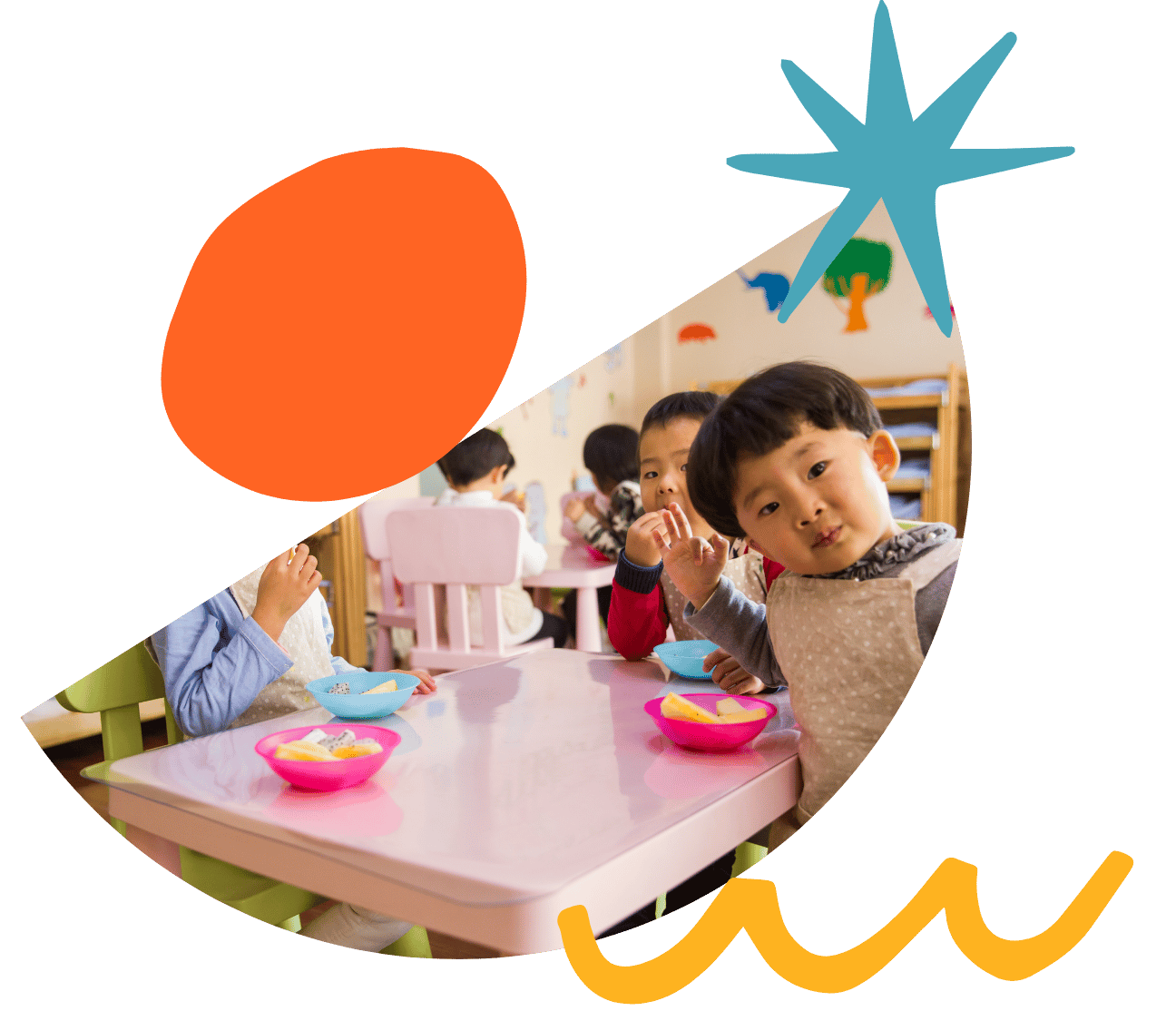
True independence is cultivated over time, not expected to emerge overnight. At Bankstreet Early Learning Curriculums, educators intentionally design classroom experiences that allow children to make choices, manage cleanup, contribute to discussions, assist peers, and move confidently through daily routines. Through repeated opportunities for responsibility, students develop executive functioning, self-confidence, and resilience — qualities that support long-term academic success.
Mornings may begin with meeting time, where children share news and plan the day. Work periods allow deep exploration in centers. Teachers observe carefully, documenting milestones and interests. Outdoor time provides room for physical growth and imagination. The day closes with reflection, reinforcing language and memory. The rhythm is predictable, helping children feel secure while remaining excited about what comes next.
Teachers as Guides and Researchers
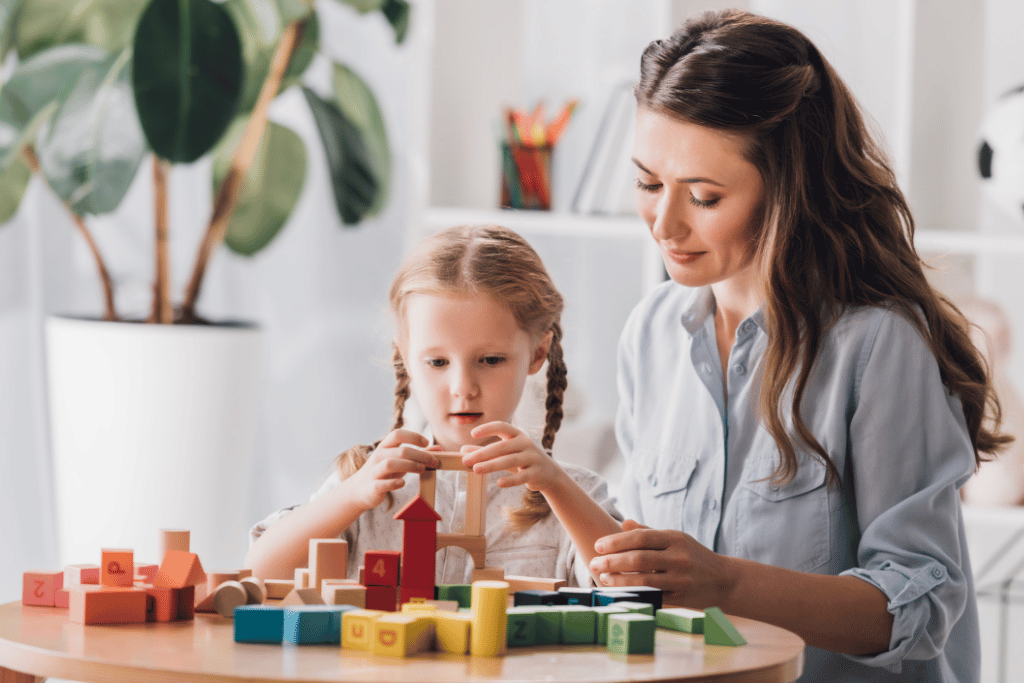
Our educators are thoughtful, skilled professionals who make every moment count. They pay close attention to how children think, wonder, and solve problems, then shape the classroom environment to spark the next stage of growth. Experiences are carefully designed to stretch understanding, deepen curiosity, and invite children to take meaningful learning risks.
Choosing a preschool is an emotional decision because you are trusting others with your child’s earliest experiences of school. Families choose us because we blend genuine warmth with deep professional expertise. We honor childhood by protecting time for wonder, imagination, movement, and discovery. Our teachers build authentic relationships and come to understand each child’s strengths, challenges, personality, and interests. With that knowledge, they guide learning in ways that feel supportive and personal.
We also keep an eye on the future. Independence, collaboration, and problem-solving are essential skills for modern learners, and they are nurtured every day through meaningful classroom experiences. Communication with families is ongoing, so parents receive regular, thoughtful insights about growth rather than limited snapshots from occasional report cards. Above all, we prioritize long-term success. Our aim is not quick performance but the development of confident, curious children who carry a lifelong love of learning wherever they go.

Choosing the right start for your child is a big decision, and the team at Bankstreet Early Learning Curriculums is here to help you feel confident every step of the way. If you are searching for Bank Street education in Boston, MA, exploring a nurturing Bank Street classroom in Boston, MA, or comparing options for the best play based preschool curriculum in Boston, MA, we would love to connect. Contact us today to discover how Bankstreet Early Learning Curriculums helps young learners grow into capable, curious, and confident students.
Frequently Asked Questions
Programs typically support toddlers through pre-kindergarten, with experiences tailored to each stage of development.
Instead of early drills, children build strong foundations through exploration, conversation, and guided discovery.
Yes. Literacy and math are integrated throughout the day in meaningful, memorable ways.
Teachers coach communication and problem-solving so children learn empathy and responsibility.
Warm relationships and small group work help reserved children gain confidence gradually.
Through developmental benchmarks, teacher observations, and evidence of independence and engagement.