

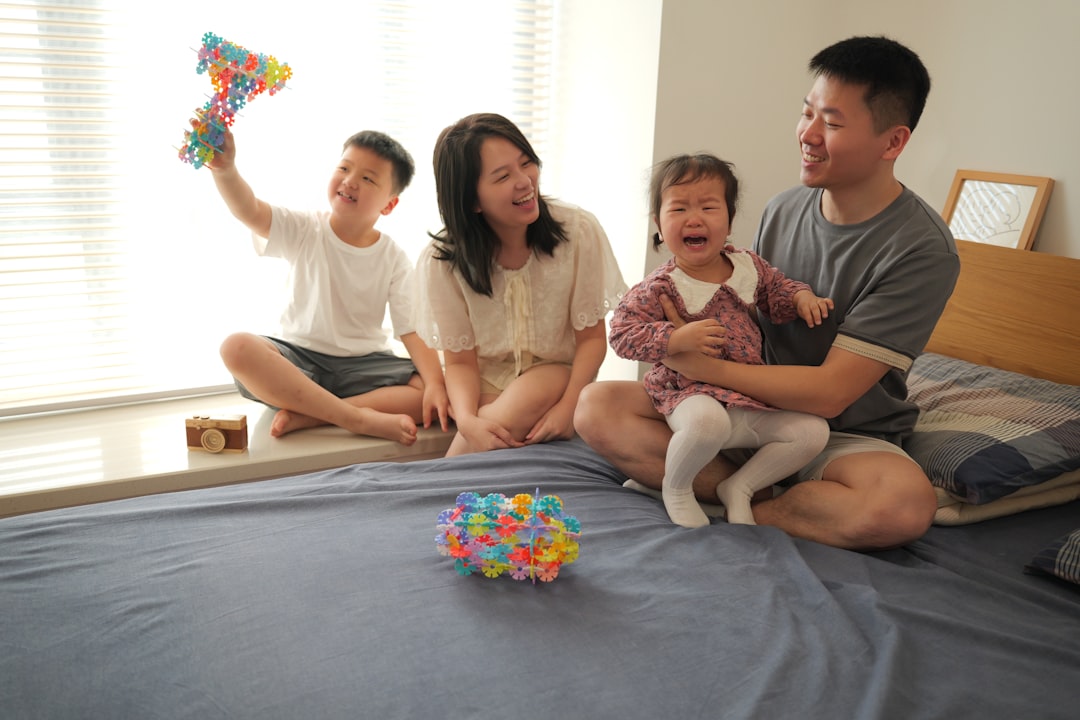
Young children learn best when they feel safe, valued, and connected. Academic readiness grows naturally from curiosity, relationships, and confidence. That is why many families searching for bank street education in San Francisco, CA are also looking closely at programs built around a strong social emotional learning curriculum.
At Bankstreet Early Learning Education Curriculum, we believe intellectual growth and emotional development are inseparable. Children who understand their feelings, communicate needs, solve conflicts, and work collaboratively build the foundation for reading, math, and lifelong success.
What Is a Social Emotional Learning Curriculum?
A social emotional learning curriculum (often called SEL) intentionally teaches children how to:
- recognize and manage emotions
- build healthy relationships
- show empathy
- make responsible decisions
- develop resilience and independence
Rather than treating behavior as separate from academics, SEL integrates both. A child who can wait, listen, ask for help, and recover from frustration is better prepared to learn. Programs influenced by the Bank Street philosophy emphasize learning through experience, reflection, and community. The classroom becomes a place where children practice real-world social skills every day.
Understanding the Bank Street Approach
The Bank Street model, sometimes called the Developmental-Interaction approach, views learning as a dynamic relationship between the child and their environment. Teachers observe carefully, design meaningful activities, and guide children toward discovery.
In classrooms inspired by bank street education in San Francisco, CA, you will often see:
- hands-on exploration
- project-based learning
- rich conversations
- cooperative problem solving
- mixed opportunities for independence and teamwork
How Social Emotional Learning Builds Academic Strength
Parents sometimes worry that focusing on feelings might reduce academic rigor. Research and classroom experience show the opposite.
When children develop emotional regulation and social confidence, they:
- engage longer in tasks
- take healthy risks
- ask questions
- collaborate effectively
- persist through challenges
A well-designed social emotional learning curriculum supports literacy, numeracy, and critical thinking because it prepares the brain to learn.
What Makes Bankstreet Early Learning Education Curriculum Different?
At Bankstreet Early Learning Education Curriculum, our goal is to educate the whole child. We look at cognitive, physical, social, and emotional development together, not in isolation.
Here is what families often notice first.
1. Relationships Come First
Teachers invest time in building trust. When children feel known, they participate more openly.
2. Learning Feels Meaningful
Activities are connected to children’s interests and real experiences, increasing motivation.
3. Guidance Replaces Punishment
Instead of simple rewards or consequences, educators help children understand impact and develop better choices.
4. Strong Family Partnership
Parents are collaborators in growth, not observers from the outside.
A Day in a Classroom Using a Social Emotional Learning Curriculum
Imagine the morning beginning with a circle where children greet each other by name. They talk about feelings, plans, and responsibilities for the day.
During play, disagreements become learning opportunities. Teachers help children express needs, listen, and find solutions.
Later, small groups might read stories about friendship or create projects requiring cooperation. Throughout the day, language is modeled for empathy, patience, and self-awareness.
By dismissal, children have practiced life skills as much as academic ones.
Why Parents in San Francisco Are Seeking This Approach
Families exploring bank street education in San Francisco, CA often want more than worksheets and memorization. They want their children to:
- feel confident in new environments
- communicate respectfully
- adapt to change
- develop independence
- love learning
Long-Term Benefits of Early Social Emotional Development
Studies following children over many years show that strong early SEL skills are linked to:
- higher graduation rates
- improved mental health
- stronger relationships
- better workplace collaboration
While preschool is only the beginning, it sets patterns of curiosity and resilience that carry forward.
Creating a Community of Learners
A hallmark of Bank Street–inspired environments is the belief that children learn from one another. Collaboration is encouraged across activities, ages, and personalities. Children practice leadership, empathy, patience, and flexibility. They discover that every voice matters.
Why Choose Bankstreet Early Learning Education Curriculum?
Choosing a preschool is one of the most meaningful decisions a family makes. Parents who select Bankstreet Early Learning Education Curriculum often say they were drawn by:
- a balanced focus on heart and mind
- respectful, experienced educators
- learning through play and inquiry
- strong communication with families
- preparation for future academic success
Most importantly, they see children who are happy, engaged, and eager to return each day.
Signs This Approach May Be Right for Your Child
Your family might thrive in this model if you value:
- independence with support
- emotional intelligence
- collaboration
- creativity
- deep understanding instead of rote learning
Every child develops differently. A flexible, responsive environment allows them to grow at their own pace while still being challenged.
Frequently Asked Questions
What age groups benefit from a social emotional learning curriculum?
SEL begins in early childhood and grows with the child. The earlier it starts, the stronger the foundation.
Is there still academic learning?
Absolutely. Literacy, math, science, and art are integrated naturally into hands-on experiences.
How are conflicts handled?
Teachers guide children in communication, empathy, and problem solving rather than imposing quick punishments.
Will my child be ready for kindergarten?
Yes. Children develop independence, focus, and cooperation—skills schools value highly.
How can parents stay involved?
Families are encouraged to communicate regularly, participate in events, and extend learning at home.
Final Thoughts
A high-quality social emotional learning curriculum does more than prepare children for tests. It nurtures compassion, resilience, and curiosity. For families researching bank street education in San Francisco, CA, this approach offers a powerful balance between academic readiness and human development.
At Bankstreet Early Learning Education Curriculum, we are proud to create environments where children feel capable, connected, and inspired to explore the world around them.